

A TRUE TRI COLOR COTON DE TULEAR
(pictures below)
Genetic Mutation
The Coton de Tulear is famous for its cotton-like coat which is different from other dog breeds. The cottony coat may be the result of a single gene mutation. Domestic dogs are interesting to study because there is a large amount of phenotypic variation across populations and breeds. A phenotype is a set of observed characteristics of an animal that result from the interaction of its genotype with the environment. In the case of dogs, this could include body shape, head shape, coat length [believe it or not but the hair stops growing at a certain length, no need for monthly hair cuts like the Bichon, Maltese and other breeds], coat color, and tail shape among other things.
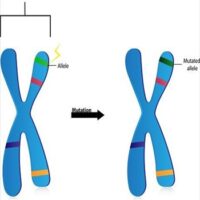
Dog breeds are interesting because they have been developed over a relatively short period of time in terms of evolution. Specific dog breeds have been bred for desirable traits such as coat color and length. Many of these traits have been associated with genetic mutations including length, curl, growth pattern, shedding, and hairlessness. For example, we now know that fur length is controlled in part by one or more variants in the fibroblast growth factor 5 (FGF5) gene. Further research will need to be carried out to determine what gene mutation resulted in the Coton de Tulear having such a soft, cotton-like texture.
Coton de Tulears are small, lively, intelligent dogs that make excellent companions. They are favored for their happy disposition and low maintenance. These dogs are originated in Madagascar and were the companion dogs of the Merina – the ruling tribe in Madagascar.
The Coton de Tulear, or the ‘Royal Dog of Madagascar,’ is a small, happy-go-lucky dog that provides amusement, comfort, and companionship to their human owners. These dogs are known for their personality traits. As well as happy-go-lucky, these dogs are intelligent, lively, playful, and very social. This dog breed is remarkably long-lived with most dogs living to between 14 and 19 years old. Some have even reached a grand old age of 20 plus years! They are incredibly healthy and less than 5% suffer from genetic health conditions.
A tri-color Coton de Tulear [photos posted below] born to our European Cotons in the winter of 2019, photo at seven weeks of age and 12 months of age – this is how a tri-color Coton fades as they mature, the true Coton de Tulear has a diluting gene in their genetic makeup that allows the coloring the hair to fade from the root of the hair shaft out and it begins within days of their birth if born a tri-color.
This is why we clearly state that a solid coat color other than a base of pure white with crème, tri color or the very rare black and white. We recently delivered our first black and white Coton puppy in June 2023.
Pure blooded Coton de Tulear possess the diluting gene, if the coloring in the hair does not fade — no doubt it is not a full blooded Coton de Tulear.
Often I have researched bloodlines that produce solid coat colors and there is no doubt some where in the ancestry another breed such as the Russian Bolonka or Havanese was introduced into a breeding.
According to all the kennel clubs in Europe [ the FCI at www.fci.be ] and the USA, Coton de Tulear, such as the AKC, UKC, ARBA, others, disallow the solid coat colors of any color other than white with crème. Solid coat colors of brown, chocolate, tan and black are not recognized as purebred pure-blooded Cotons. We have the FCI, UKC, AKC, and ARBA links so you can research for yourself, know the breed history and the standard held for the breed before you adopt any breed of dog; sadly, too many people have adopted mixed bred dogs presented as full-blooded especially the Coton de Tulear, they have reported to us black ticking and solid coat colors as mentioned earlier. Don’t be part of this American horror story.


Read more about the History of the Coton de Tulear!
